
TRADITIONAL CHINESE MEDICINE AND ACUPUNCTURE
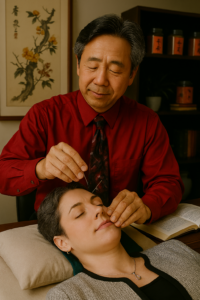 Traditional Chinese Medicine (TCM) and acupuncture form one of the world’s oldest healing traditions, with roots that stretch back beyond recorded history. Over thousands of years, this system has been used to support wellness, address discomfort, and help the body maintain balance.
According to TCM, the body contains 14 major energy pathways called meridians, which run through the entire system—head, limbs, torso, and internal organs. Vital energy, known as Chi (pronounced chee), flows through these meridians. When Chi moves freely and evenly, the body is better able to function harmoniously. When its flow becomes blocked, weakened, or imbalanced, the body may signal distress through discomfort or other symptoms.
Acupuncture involves placing extremely fine needles at specific points along these meridians to encourage the smooth, balanced movement of Chi. This process supports the body’s natural ability to restore equilibrium. In some cases, when Chi is considered too depleted, herbal formulas may be recommended to help strengthen the system so acupuncture can be more effective.
A Timeless Approach to Balance
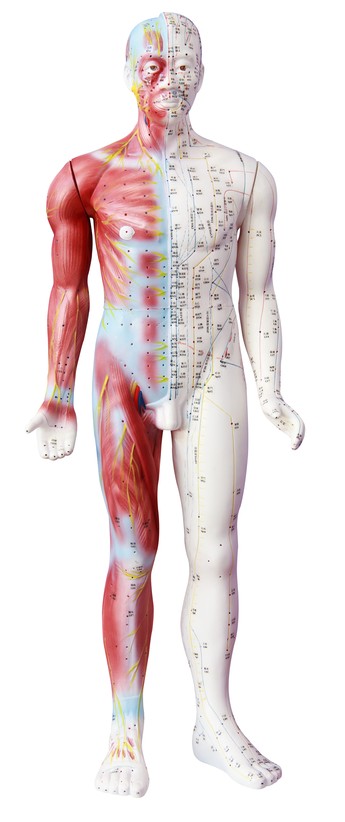 For more than 5,000 years, acupuncture and herbal medicine have been used to address common ailments and promote overall well‑being. Ancient practitioners observed the rhythms of nature—the seasons, cycles of growth and rest, and the interconnectedness of all living things—and recognized similar patterns within the human body.
Just as nature moves through phases of birth, growth, harvest, and renewal, the body constantly shifts and adapts. Cells regenerate, systems interact, and internal balance is maintained through the interplay of forces such as yin and yang, warmth and coolness, moisture and dryness. When these forces fall out of harmony, the body communicates through symptoms. Addressing imbalances early is considered essential in TCM philosophy.
Prevention has always been the heart of this medicine.
What to Expect from Acupuncture
Acupuncture is widely used today, including in respected medical centers such as Mayo Clinic, Cleveland Clinic, and Stanford. Many people find it beneficial, though experiences vary from person to person. Understanding how acupuncture works can help set realistic expectations.
Healing Takes Time
Acupuncture builds on itself—each session supports the next. A series of treatments is typically recommended, especially for long‑standing or complex concerns. The number of sessions needed depends on individual health history, lifestyle, and how the body responds.
Consistency Matters
For best results, treatments are often scheduled two to three times per week at the beginning. Acute discomfort may require more frequent visits for a short period. Stopping too early may limit progress, much like not completing a prescribed course of medication.
If the body seems too depleted to respond well, herbal support may be suggested first to help strengthen overall vitality.
A Realistic Mindset
Acupuncture is not an instant fix. Long‑term issues rarely disappear in one or two sessions. Lifestyle choices—such as diet, rest, and reducing habits that strain the body—can influence how well treatments work. Progress is cultivated gradually, one step at a time.
Possible Sensations
As with any therapeutic technique, acupuncture may involve mild risks or temporary sensations. Some people experience slight bleeding, tingling, or bruising at needle sites. These effects are generally short‑lived. Communicating any concerns during treatment helps ensure a comfortable experience.
Your Appointment
Follow‑up visits include a brief check‑in to review how you’ve been feeling since your last session. Treatments focus on your most important concerns for that day. If you’d like additional time for extended discussion, extra time can be scheduled.
To make your experience smooth and comfortable:
- Book appointments in advance to secure preferred times
- Provide at least 24 hours’ notice for cancellations
- Wear loose, comfortable clothing that can be rolled above elbows and knees
- Remove shoes and socks in the treatment room
- Avoid wearing nylons or pantyhose